
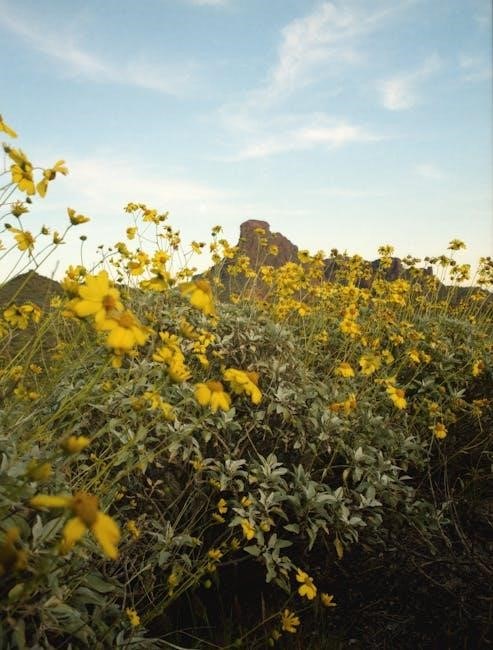
Arizona’s unique beauty inspires stunning landscapes, blending vibrant cacti, agaves, and desert trees; thoughtful planning ensures sustainability and reflects the arid environment․
Understanding the Arizona Desert Climate
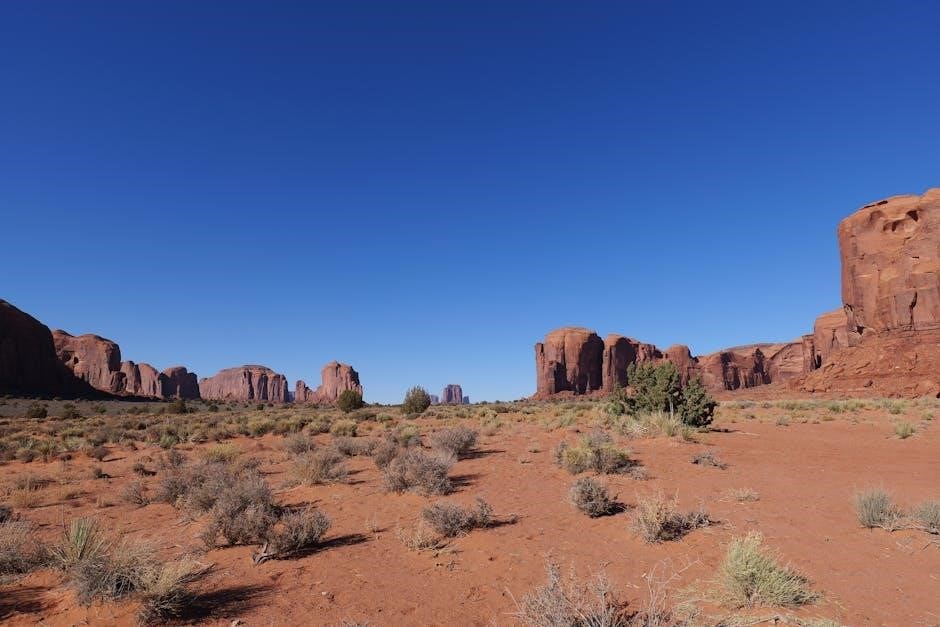
Arizona’s desert climate is characterized by intense sunlight, extreme temperature fluctuations, and very low annual rainfall, creating a challenging environment for plant life․ Summers bring scorching heat, often exceeding 100°F (38°C), while winters can experience freezing temperatures, especially at higher elevations․
The state receives less than 15 inches of precipitation annually, concentrated during monsoon season (July-September) and winter storms․ This aridity necessitates selecting plants adapted to drought conditions and capable of withstanding intense solar radiation․ Understanding microclimates within your specific location – considering sun exposure, wind patterns, and soil type – is crucial for successful desert landscaping․
Successful desert gardens prioritize water conservation and utilize plants that thrive in these harsh conditions, mirroring the resilience of native flora․
The Importance of Water Conservation
Water is a precious resource in Arizona, and its conservation is paramount, especially within landscaping practices․ The desert environment demands responsible water usage due to limited rainfall and increasing demands on existing supplies․ Implementing water-wise landscaping, often called xeriscaping, minimizes water consumption while maintaining aesthetic appeal․
Choosing drought-tolerant plants, grouping plants with similar water needs, and utilizing efficient irrigation systems are key strategies․ Reducing lawn areas, which require significant water, and replacing them with desert-adapted groundcovers or rock features further conserves water․
Effective mulching helps retain soil moisture and suppress weed growth, reducing the need for frequent watering․ Prioritizing water conservation not only benefits the environment but also lowers water bills and promotes a sustainable landscape․
Key Plant Categories for Arizona Deserts
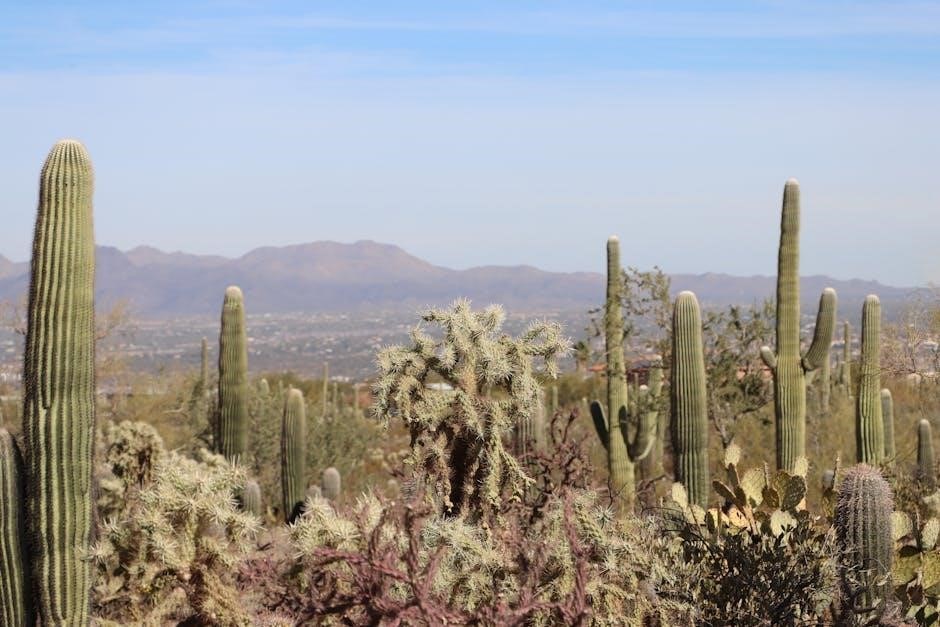
Arizona’s diverse deserts flourish with cacti, agaves, yuccas, and resilient trees; each category offers unique textures, colors, and adaptations for arid conditions․
Cacti: Iconic Desert Plants
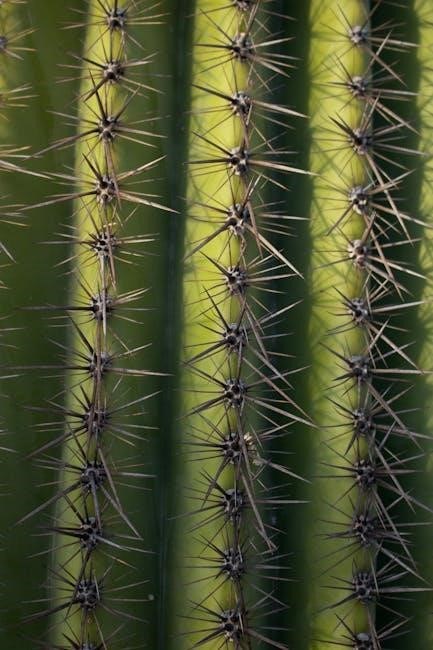
Cacti are synonymous with the Arizona desert, representing resilience and beauty in harsh conditions․ Their sculptural forms and vibrant blooms add striking visual interest to any landscape․ From the majestic Saguaro – a true symbol of the state – to the colorful Barrel Cactus and versatile Prickly Pear, cacti offer a wide range of sizes, shapes, and flowering patterns․
These plants are exceptionally well-adapted to arid environments, storing water efficiently and thriving with minimal rainfall․ Beyond their aesthetic appeal, many cacti provide habitat and food sources for desert wildlife․ Careful consideration should be given to their spiny nature when planning placement, ensuring safety and accessibility․ Selecting the right cactus for your specific microclimate and design goals is crucial for long-term success․
Agaves: Structural and Dramatic
Agaves bring a bold, architectural presence to Arizona desert landscapes, offering a striking contrast to softer textures․ These succulents feature rosette-shaped leaves, often with dramatic spines along the margins, creating a visually captivating focal point․ Varieties range in size from compact, ground-hugging forms to towering specimens that command attention․
Agaves are incredibly drought-tolerant and require minimal maintenance once established, making them ideal for water-wise gardens․ Their structural forms pair beautifully with cacti, desert trees, and rock features․ Many agave species send up impressive flower stalks, adding a unique vertical element to the landscape, though these are typically a once-in-a-lifetime bloom․ Careful planning is needed due to their size and potential for sharp spines․
Yucca: Versatile and Low-Maintenance
Yucca plants are celebrated for their resilience and adaptability within Arizona’s harsh desert conditions, offering a diverse range of forms and textures․ From the towering Joshua Yucca to smaller, shrub-like varieties, they provide year-round interest with their sword-like foliage and striking, creamy-white flower clusters․ These blooms attract pollinators, adding life to the arid landscape;
Yucca’s low-maintenance nature makes them a favorite among desert gardeners; they thrive on neglect and require minimal watering once established․ Their architectural shapes complement cacti and agaves beautifully, creating dynamic visual contrasts․ Some species can be used for screening or as focal points, while others add texture to rock gardens․ Be mindful of the sharp points on the leaves when positioning them in high-traffic areas․
Desert Trees: Providing Shade and Structure
Desert trees are essential components of Arizona landscapes, offering vital shade, structural form, and habitat for wildlife․ Palo Verde, with its vibrant green bark, and Mesquite, a native adaptable species, are popular choices, providing filtered sunlight and cooling effects․ Desert Willow, known for its rapid growth and beautiful blooms, adds a touch of elegance․
Selecting the right tree considers mature size, water requirements, and potential for mess (leaf litter, seed pods)․ Proper placement maximizes shade benefits while minimizing interference with views or utilities․ Desert trees contribute significantly to microclimate regulation, reducing heat island effects and creating more comfortable outdoor spaces․ They also offer a sense of place, connecting the landscape to the region’s natural heritage․
Specific Plant Recommendations
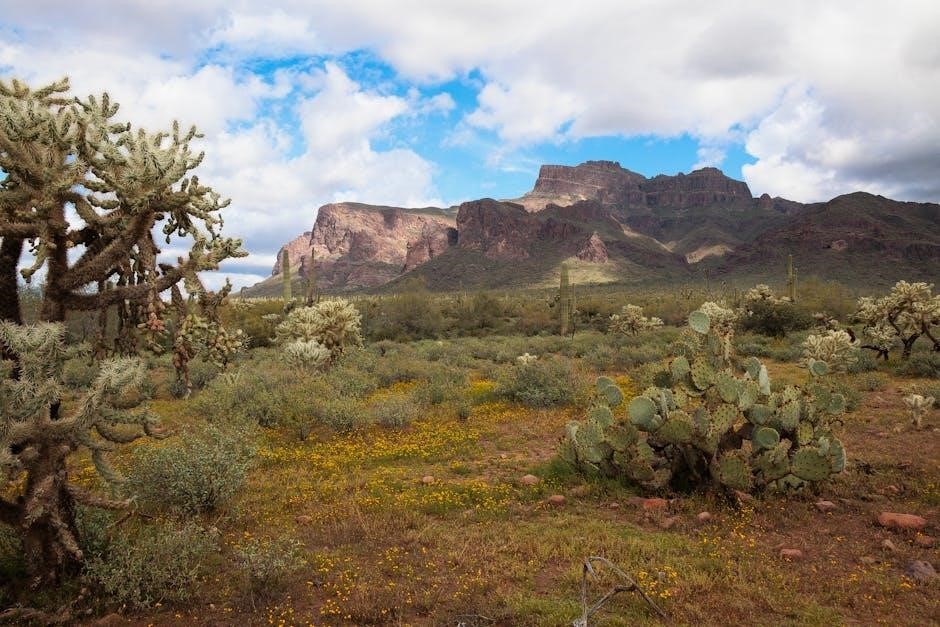
Iconic Arizona flora, like Saguaro, Barrel, and Prickly Pear cacti, alongside Ocotillo, Palo Verde, Mesquite, and Desert Willow, create stunning, resilient landscapes․
Saguaro Cactus: The Arizona Symbol
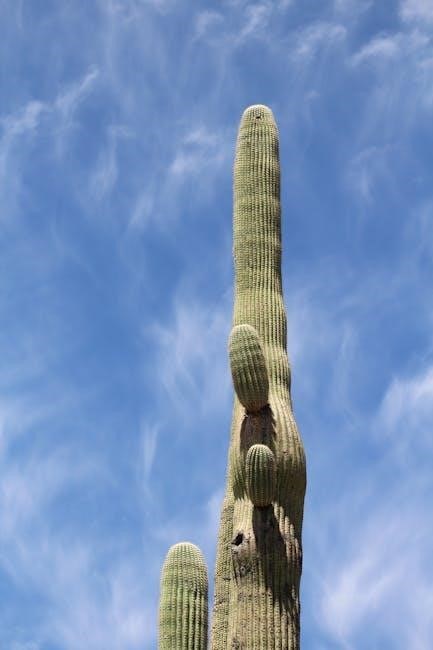
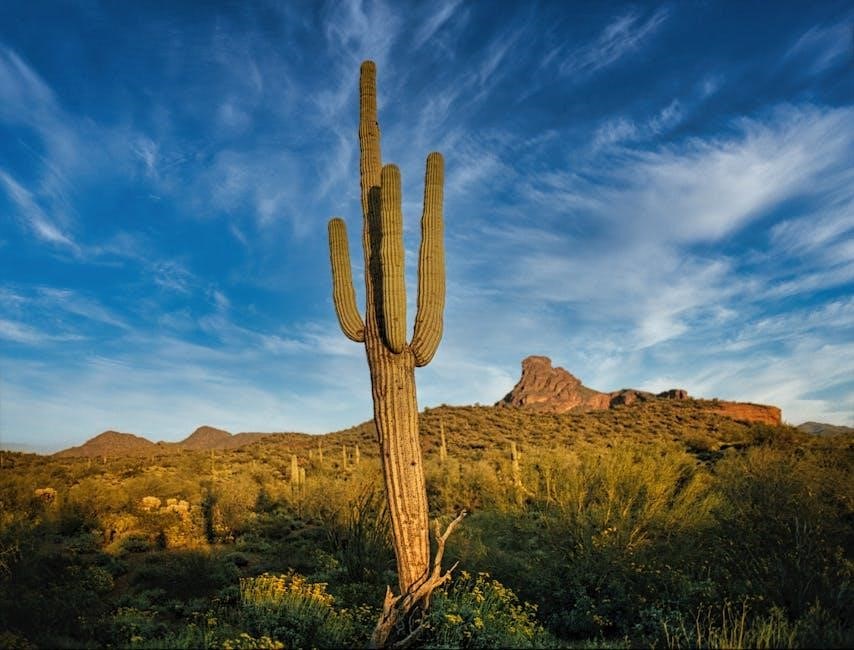
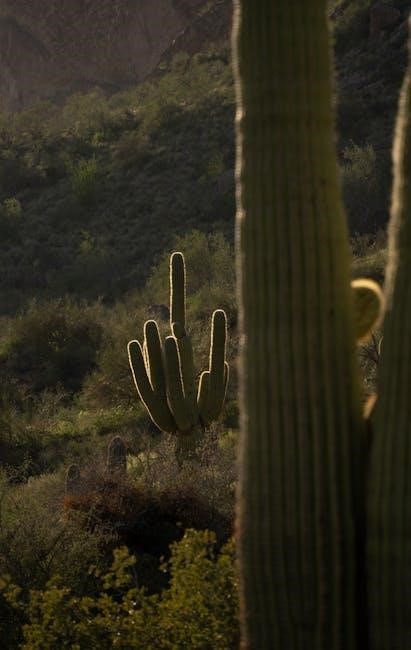
The Saguaro (Carnegiea gigantea) stands as an enduring emblem of the Arizona desert, a majestic and slow-growing cactus demanding significant space and sunlight․ Reaching heights of over 40 feet, these iconic plants require exceptionally well-draining soil and minimal supplemental water once established․ Their ribbed, waxy skin stores water efficiently, allowing them to thrive in harsh conditions․
Blooming primarily in late spring and early summer, Saguaros produce beautiful white flowers, attracting pollinators like bats and birds․ These blossoms eventually develop into red fruits, a valuable food source for desert wildlife․ Consider mature size when planting; Saguaros are protected by law, and relocation can be challenging․ Providing ample room ensures their long-term health and contributes to the preservation of this Arizona treasure․ Careful planning is essential for successful integration into a landscape․
Barrel Cactus: Colorful and Unique
Barrel cacti, particularly the Golden Barrel (Echinocactus grusonii) and Fishhook Barrel (Ferocactus wislizeni), offer striking architectural forms and vibrant color to the Arizona landscape․ These spherical or cylindrical cacti are known for their prominent ribs and sharp spines, providing a natural deterrent to wildlife and intruders․ They thrive in full sun and require exceptionally well-draining soil to prevent root rot․
Golden Barrels display a beautiful golden-yellow hue, while Fishhook Barrels boast hooked spines and often bloom with vibrant orange or red flowers․ They are relatively slow-growing and drought-tolerant, making them ideal for low-water gardens․ Consider their size and spiny nature when positioning them within the landscape, ensuring safe passage․ Barrel cacti add a unique sculptural element and a touch of desert drama to any outdoor space․
Prickly Pear Cactus: Edible and Ornamental
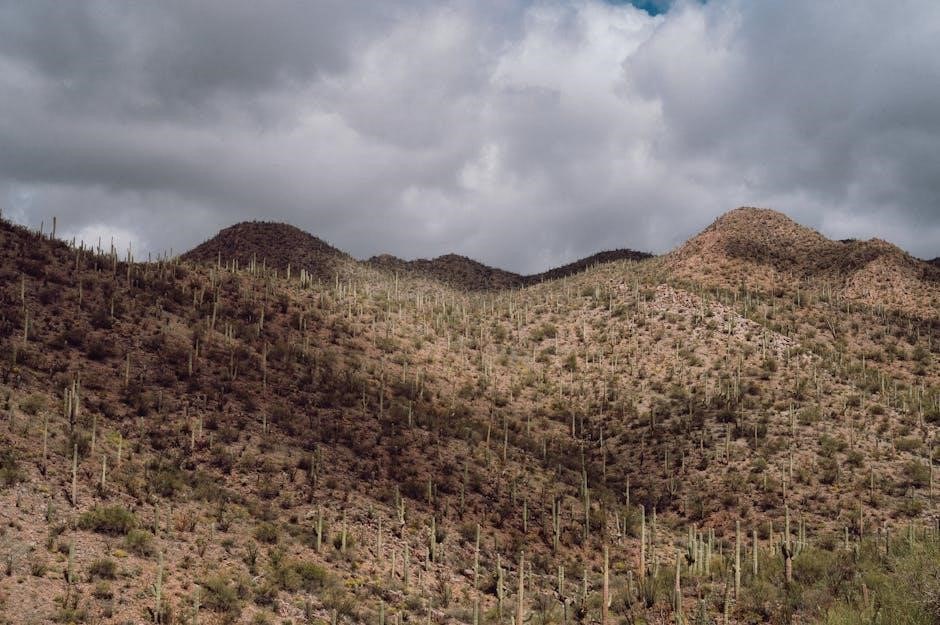
Prickly pear cacti (Opuntia species) are incredibly versatile plants, offering both ornamental appeal and edible fruits – the “tunas․” These cacti are characterized by their flat, pad-like stems (cladodes) covered in spines and glochids (tiny, barbed bristles)․ Numerous varieties exist, differing in size, shape, and spine density․ They are remarkably adaptable and thrive in a wide range of soil types, provided drainage is adequate․
Beyond their striking appearance, prickly pears produce colorful flowers in spring, followed by the edible tunas, which can be eaten fresh or processed into jams, jellies, and candies․ The pads themselves can also be consumed after careful preparation․ Be mindful of the glochids, which can be irritating to skin․ Prickly pears provide food and shelter for wildlife, enhancing the ecological value of your desert garden․
Ocotillo: The Flame of the Desert
Ocotillo (Fouquieria splendens) is a truly iconic desert plant, renowned for its dramatic appearance․ This shrub-like plant features long, thorny, whip-like stems that seemingly burst into flame with vibrant red flowers after rainfall․ Though appearing thorny, ocotillo lacks true leaves, relying on photosynthesis within its green stems․ It’s a fast grower, capable of reaching heights of up to 15 feet, and adds a unique sculptural element to any landscape․
Ocotillo thrives in well-drained, rocky soils and full sun․ It’s exceptionally drought-tolerant, going dormant during extended dry periods․ The vibrant blooms attract hummingbirds, adding life and movement to the garden․ Pruning can encourage denser growth and more prolific flowering․ Ocotillo embodies the resilience and beauty of the desert environment, making it a captivating addition to any Arizona landscape․
Palo Verde Tree: Green Bark and Shade
Palo Verde trees (Parkinsonia species) are quintessential Arizona landscape elements, celebrated for their striking green bark and delicate, fern-like foliage․ The name “Palo Verde” translates to “green stick,” aptly describing their vibrant, photosynthetic trunks․ These trees offer dappled shade, creating a comfortable microclimate without completely blocking sunlight․ Several varieties exist, including the Foothill Palo Verde and the Blue Palo Verde, each with slightly different characteristics․
Palo Verde trees are exceptionally drought-tolerant and thrive in well-drained soils․ They are relatively fast-growing, providing quick shade, and attract pollinators with their cheerful yellow flowers․ Minimal pruning is required, though removing dead or crossing branches improves their form․ They are a sustainable and beautiful choice, perfectly adapted to the arid Arizona climate, offering both aesthetic appeal and ecological benefits․
Mesquite Tree: Native and Adaptable
Mesquite trees (Prosopis species) represent a cornerstone of Arizona’s native flora, demonstrating remarkable adaptability and resilience․ These trees are deeply rooted, accessing groundwater sources and thriving in harsh desert conditions․ Honey Mesquite and Velvet Mesquite are common varieties, each offering unique characteristics․ They provide substantial shade, crucial during scorching summers, and their delicate foliage filters sunlight beautifully․
Historically, Mesquite trees were vital to indigenous populations, providing food, fiber, and medicinal resources․ Today, they remain ecologically important, enriching the soil and supporting wildlife․ While they can be thorny, thornless varieties are available․ Mesquite trees are incredibly drought-tolerant and require minimal maintenance, making them a sustainable and valuable addition to any Arizona landscape, embodying the spirit of the desert․
Desert Willow: Fast-Growing and Beautiful
Desert Willow (Chilopsis linearis), despite its name, isn’t a true willow but a stunning flowering tree perfectly suited for Arizona’s climate․ Renowned for its rapid growth rate, it quickly establishes itself, providing much-needed shade and visual appeal․ Its long, slender leaves resemble those of a willow, while its trumpet-shaped flowers bloom prolifically in shades of lavender, pink, and white throughout the warm months․
This native tree is exceptionally drought-tolerant once established, requiring minimal supplemental watering․ Desert Willows attract hummingbirds and butterflies, enhancing the biodiversity of your landscape․ They are relatively low-maintenance, though occasional pruning can shape their form․ Offering a graceful silhouette and vibrant blooms, the Desert Willow is a captivating choice for any Arizona garden․
Landscape Design Considerations
Effective desert landscaping prioritizes water-wise principles, thoughtful soil preparation, strategic irrigation, and grouping plants based on their specific water requirements․
Xeriscaping Principles: Designing for Dryness
Xeriscaping, a cornerstone of Arizona desert landscaping, transcends simply planting cacti; it’s a holistic approach minimizing water usage through careful design and plant selection․ This begins with planning and design, grouping plants with similar water needs – a hydrozone concept – reducing wasteful irrigation․ Soil improvement is crucial, amending native soils with organic matter to enhance water retention․
Efficient irrigation is paramount, favoring drip systems over sprinklers, delivering water directly to root zones․ Mulching significantly reduces evaporation and suppresses weeds․ Turf alternatives, like gravel or decomposed granite, minimize water-intensive lawns․ Finally, appropriate plant selection, prioritizing native and drought-tolerant species, ensures long-term sustainability and a thriving, beautiful landscape․ Utilizing resources like the University of Arizona’s guides can further refine these principles․
Soil Preparation and Amendment
Arizona’s desert soils are typically alkaline, caliche-laden, and lack organic matter – posing challenges for plant establishment․ Proper preparation is therefore vital․ Begin by removing rocks and debris, then thoroughly tilling the soil to a depth of at least 12 inches․ Amending with organic matter, such as compost or well-rotted manure, is crucial, improving drainage, aeration, and water retention․
Consider adding gypsum to help break down caliche layers, enhancing root penetration․ A soil test is highly recommended to determine pH levels and nutrient deficiencies, guiding amendment choices․ Avoid excessive fertilization initially, as desert plants are adapted to nutrient-poor conditions․ Focus on building a healthy soil structure that supports robust root development, ultimately leading to thriving, drought-tolerant landscapes․ Proper soil preparation sets the foundation for success․
Irrigation Strategies for Desert Plants
Efficient irrigation is paramount in Arizona’s arid climate, prioritizing water conservation․ Drip irrigation is highly recommended, delivering water directly to plant roots, minimizing evaporation and runoff․ Group plants with similar water needs – “hydrozoning” – to optimize watering schedules․ Deep, infrequent watering encourages deep root growth, increasing drought tolerance․
Monitor soil moisture levels regularly, adjusting irrigation based on weather conditions and plant requirements․ Utilize smart controllers that automatically adjust watering schedules based on real-time data․ Avoid overhead sprinklers, which lose significant water to evaporation․ Consider rainwater harvesting to supplement irrigation․ Remember, many desert plants are adapted to survive with minimal supplemental water once established; focus on establishing strong root systems․
Grouping Plants by Water Needs
Hydrozoning – grouping plants based on their water requirements – is a cornerstone of efficient desert landscaping․ Categorize plants into high, medium, and low water-use groups․ High-water plants, though limited in desert landscapes, might include some riparian species near water features․ Medium-water plants, like certain desert willows, require occasional supplemental irrigation․
Low-water plants, the majority in a xeriscape, such as cacti, agaves, and ocotillo, thrive with minimal watering once established․ This strategic grouping allows for targeted irrigation, preventing overwatering of drought-tolerant species and underwatering of those needing more moisture․ Proper plant placement maximizes water conservation and promotes healthy growth, creating a sustainable and beautiful desert garden․
Maintaining Your Desert Landscape
Regular inspection, mindful pruning, and strategic pest control are vital for a thriving desert garden, ensuring its beauty and resilience for years to come․
Pruning Techniques for Desert Plants
Desert plants generally require minimal pruning, but strategic cuts enhance health and form․ For cacti, remove damaged or dead sections with clean, sharp tools to prevent rot․ Agaves benefit from removing spent flower stalks and dead leaves at the base, maintaining a tidy appearance․
Yucca pruning involves removing old, brown foliage, cutting back to healthy green growth․ Desert trees, like Palo Verde and Mesquite, need light pruning to remove deadwood and improve airflow, avoiding heavy cuts that can stress the plant․
Timing is crucial; prune after flowering to avoid removing potential blooms․ Always wear protective gear when handling cacti and yucca․ Proper pruning encourages healthy growth and preserves the natural beauty of these resilient plants, contributing to a sustainable and visually appealing landscape․
Fertilizing Desert Plants
Desert plants are adapted to nutrient-poor soils and generally require less fertilization than traditional landscapes․ Over-fertilizing can lead to rapid, weak growth, making plants more susceptible to pests and diseases․ If fertilization is needed, opt for a slow-release, balanced fertilizer specifically formulated for cacti and succulents․
Apply fertilizer sparingly in early spring, before the active growing season․ Avoid fertilizing during the hottest months of summer․ For trees like Palo Verde and Mesquite, a soil amendment with compost can provide essential nutrients․
Monitor plant health and adjust fertilization accordingly․ Yellowing leaves or stunted growth may indicate a nutrient deficiency, but always rule out other factors like water stress or pest infestations before fertilizing․ Prioritize soil health through organic matter additions for long-term plant vitality․
Pest and Disease Management
Arizona’s desert plants are generally resilient, but can occasionally be affected by pests like scale, mealybugs, and spider mites․ Regularly inspect plants for signs of infestation, such as unusual spots, webbing, or sticky residue․ Early detection is crucial for effective control․
For minor infestations, a strong spray of water can dislodge pests․ Insecticidal soap or horticultural oil can be used for more severe cases, always following label instructions carefully․ Diseases are less common, but root rot can occur with overwatering․
Promote good air circulation and avoid overhead watering to prevent fungal issues․ Encourage beneficial insects like ladybugs, which prey on common pests․ Prioritize plant health through proper watering and fertilization to enhance natural defenses․
Mulching for Water Retention and Weed Control
Mulching is a cornerstone of successful Arizona desert landscaping, significantly reducing water evaporation from the soil and suppressing weed growth․ Organic mulches like shredded bark, wood chips, or decomposed granite are excellent choices, providing both functional and aesthetic benefits․
Apply a 2-4 inch layer of mulch around plants, keeping it several inches away from the base of stems to prevent rot․ Mulch acts as an insulator, moderating soil temperature fluctuations․ It also gradually breaks down, enriching the soil with organic matter․
Consider using gravel or rock mulch for a more desert-appropriate look, though these offer less organic benefit․ Regularly replenish mulch as it decomposes to maintain its effectiveness․ Proper mulching conserves water, reduces maintenance, and promotes healthy plant growth․
Resources for Further Information
Explore the University of Arizona Extension, Desert Botanical Garden, and local nurseries for expert advice and plant selections tailored to arid landscapes․
University of Arizona Cooperative Extension
The University of Arizona Cooperative Extension serves as an invaluable resource for residents seeking knowledge about desert landscaping practices․ They offer a wealth of publications, research-based information, and educational programs specifically tailored to the unique challenges and opportunities presented by the Arizona climate․
Notably, the Extension developed “Desert Landscaping CD Version 2․0,” a comprehensive reference guide to desert landscape plants, showcasing a diverse range of species suitable for various applications․ Their website provides access to numerous fact sheets detailing plant characteristics, water requirements, and optimal growing conditions․
Furthermore, local county extension offices host workshops and seminars covering topics like xeriscaping, soil preparation, and irrigation techniques․ Experts are available to answer questions and provide personalized guidance to homeowners and landscape professionals alike, ensuring successful and sustainable desert gardens․
Desert Botanical Garden
The Desert Botanical Garden in Phoenix stands as a premier destination for experiencing and learning about the diverse flora of the Sonoran Desert․ Beyond its stunning displays of cacti, agaves, and desert trees, the Garden actively promotes responsible desert landscaping through educational initiatives and plant collections․
Visitors can explore themed gardens showcasing various landscape designs and plant combinations, providing inspiration for their own outdoor spaces․ The Garden’s library and research center offer access to extensive resources, including publications and databases detailing appropriate plant selections for Arizona’s arid climate․
Moreover, the Desert Botanical Garden frequently hosts workshops and classes on topics such as xeriscaping, water-wise gardening, and native plant propagation․ Their commitment to conservation and education makes them an essential resource for anyone seeking to create a beautiful and sustainable desert landscape․
Local Nurseries Specializing in Desert Plants
Arizona boasts numerous nurseries dedicated to providing homeowners with the ideal plants for thriving desert landscapes․ These specialized nurseries offer a curated selection of cacti, succulents, trees, and shrubs adapted to the region’s unique climate and soil conditions․ Knowledgeable staff can provide invaluable guidance on plant selection, placement, and care․
Unlike big-box stores, local nurseries often prioritize native and drought-tolerant species, promoting water conservation and supporting the local ecosystem․ They frequently carry plants grown locally, ensuring they are already acclimated to Arizona’s harsh sun and temperature fluctuations․
Furthermore, many nurseries offer landscaping design services and can assist with creating a customized plan tailored to your specific property and aesthetic preferences․ Supporting these local businesses contributes to a more sustainable and vibrant community while ensuring your landscape flourishes․
Online Databases of Arizona Native Plants
Numerous online resources provide comprehensive information about Arizona’s native plant species, aiding in informed landscaping decisions․ These databases often include detailed plant profiles, covering characteristics like size, bloom time, water requirements, and sun exposure preferences․ Accessing this information empowers homeowners to select plants best suited for their specific microclimates․
The University of Arizona Cooperative Extension maintains valuable online resources, including plant guides and research-based articles․ Other databases catalog plants by various criteria, facilitating searches based on desired features like color, texture, or drought tolerance․
These digital tools are particularly helpful for identifying plants and understanding their ecological roles․ Utilizing these resources promotes biodiversity and supports the preservation of Arizona’s unique botanical heritage, ensuring sustainable and beautiful landscapes․